
Kathmandu isn’t just Nepal’s capital, it’s a living museum. Ancient temples share streets with vibrant markets here. Devotees spin prayer wheels beside smartphone-toting youth and this scene is enjoyed by elders who would have done the same if there were smartphones those days. Kathmandu city tour lets you see the blend of sacred and the modern daily life.
Importantly, a city tour here reveals layers of history spanning 2,000 years, seven UNESCO World Heritage Sites within a single valley, and cultural richness that transforms casual visitors into devoted Nepal enthusiasts.
This city demands more than a rushed airport layover. Between trekking adventures or as a standalone journey, Kathmandu deserves your time and curious eyes and mind.
Our guided tours don’t just check boxes at tourist sites. We walk you through narrow alleyways where artisans still practice centuries-old crafts, introduce you to families maintaining temple traditions, and help you understand how this chaotic, beautiful, maddening, inspiring city functions as Nepal’s beating heart.
Your guide and private vehicle collect you from any Kathmandu hotel. Comfortable SUV or van depending on group size.
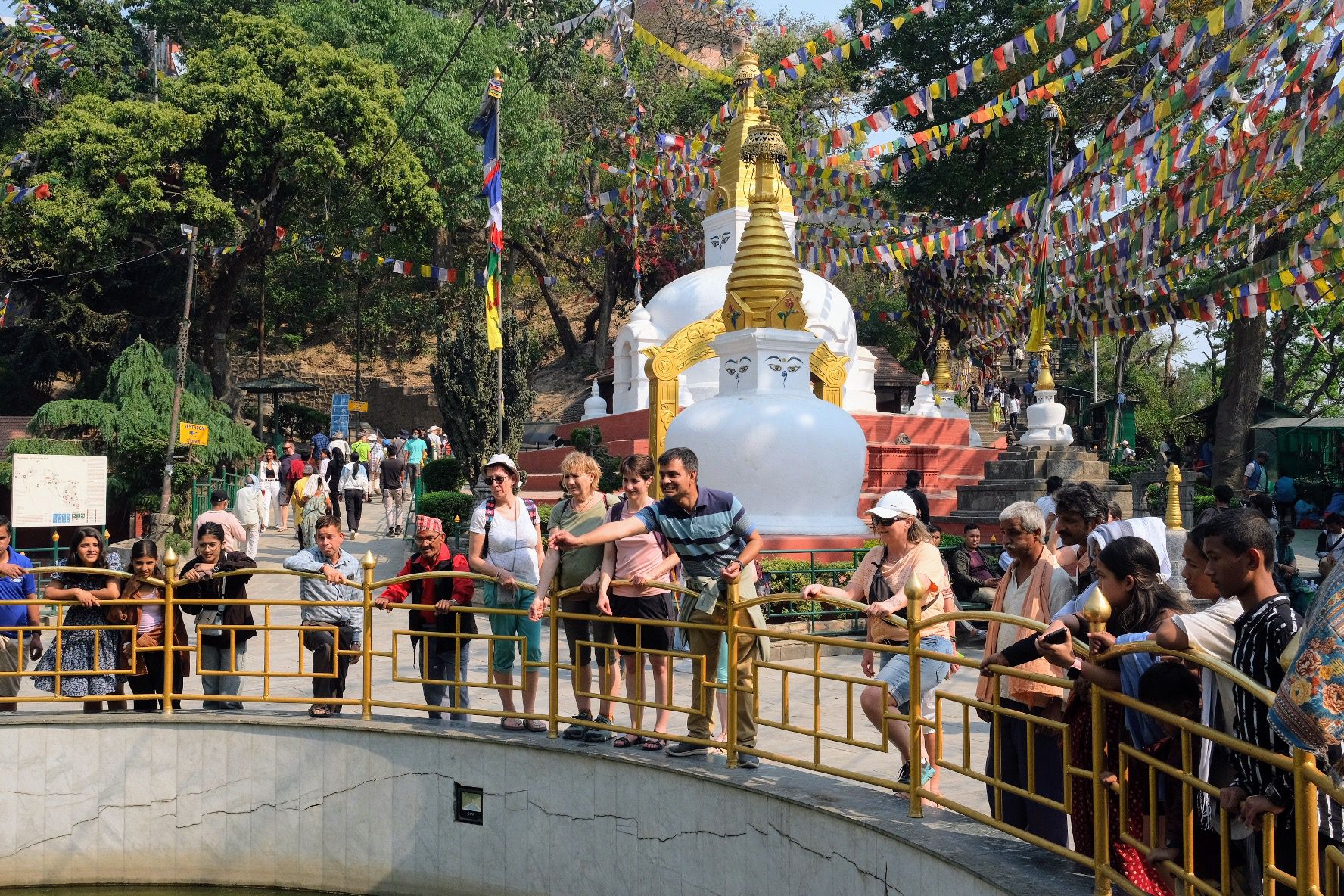
Climbing the 365 steps to this hilltop stupa wakes you up properly. The climb rewards you with panoramic Kathmandu views and one of Nepal's most iconic sites. The all-seeing Buddha eyes painted on the stupa's golden spire watch over the valley. Hundreds of prayer wheels line the route, monkeys beg for snacks (hence the nickname), and devotees perform morning prayers.
What you'll experience
Your guide will explain the symbolism: the 13 tiers representing steps to enlightenment, the five Dhyani Buddhas surrounding the main stupa, why prayer flags stretch in specific directions. You'll learn about the 2015 earthquake damage and restoration efforts, see monks in training at surrounding monasteries, and understand why both Buddhists and Hindus consider this site sacred.
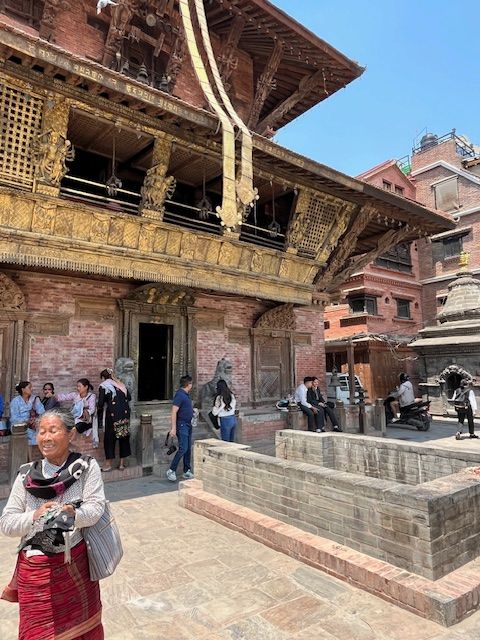
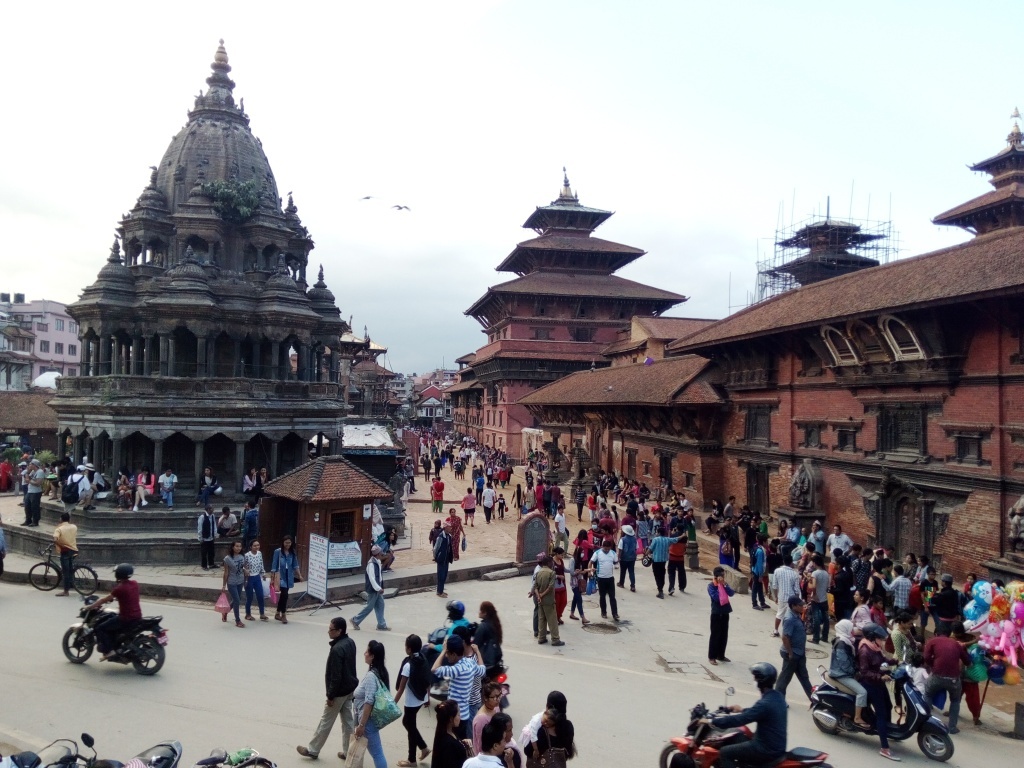
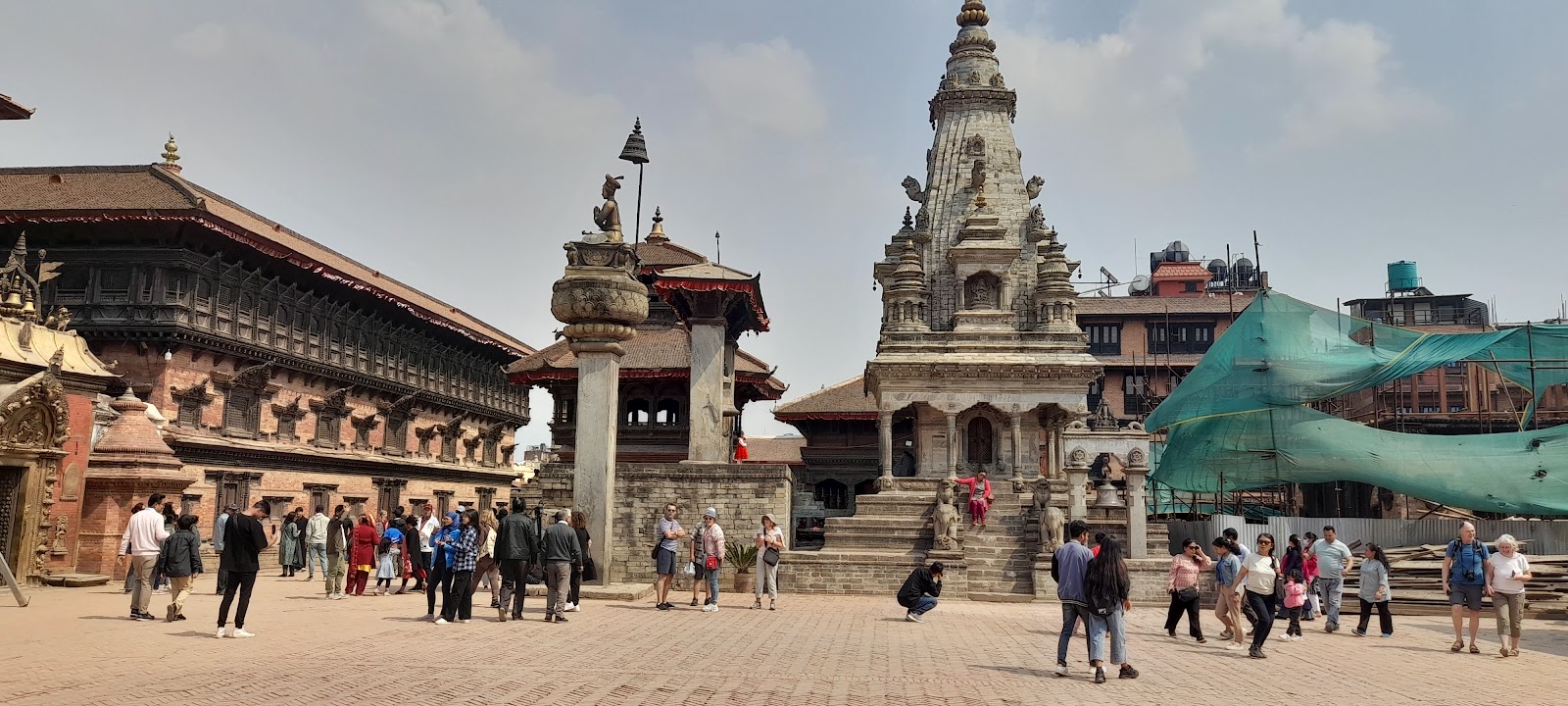
The royal heart of old Kathmandu still beats despite earthquake damage. This medieval palace complex served as the seat of Nepal's royalty until the mid-20th century. Towering pagoda temples crowd the square: Taleju Temple with its restricted inner sanctum, Kasthamandap (the building that gave Kathmandu its name), Kumari Ghar where the Living Goddess appears at windows for tourists and devotees.
What'll excite you
Your guide points out intricate wood carvings: erotic figures that some say ward off lightning, mythological beings guarding temple entrances, geometric patterns that encode spiritual meanings. You'll visit the spot where kings once received divine approval for their rule, see where ancient royal courts dispensed justice, and understand how 2015's earthquake changed but didn't destroy this cultural treasure.
Authentic Newari cuisine in a local restaurant. Try buffalo momo (dumplings), bara (lentil pancakes), choila (spiced meat), and other dishes unique to Kathmandu Valley.
Your guide explains ingredients, preparation methods, and cultural significance of foods tied to festivals and celebrations.
Crossing the Bagmati River, you enter Patan (officially Lalitpur), the "City of Fine Arts." Patan's Durbar Square rivals Kathmandu's in beauty but feels less touristy. The Krishna Mandir, a stone shikhara temple, displays incredibly detailed carvings depicting scenes from the Mahabharata and Ramayana. The Golden Temple's gilded façade gleams in afternoon sun.
What's special here
The Patan Museum, housed in renovated palace buildings, ranks among Asia's finest. Bronze statues, religious artifacts, and explanatory exhibits provide context for the outdoor monuments. Your guide helps you appreciate the subtle differences between Patan and Kathmandu architecture, explains why Patan remained Buddhist while Kathmandu leaned Hindu, and shows you working metalworking shops in back alleys.
One of the world's largest stupas dominates this square. Tibetan refugees settled here after fleeing Chinese occupation in 1959, creating a vibrant community around the ancient monument. Circumambulating the stupa clockwise, spinning prayer wheels, you join pilgrims who've performed this ritual for centuries.
The interesting part
Surrounding monasteries practice various Tibetan Buddhist traditions. If timing aligns, you might witness monks debating philosophy in monastery courtyards or hear chanting from prayer halls. Rooftop cafes offer butter tea and views of the stupa's painted eyes watching in all directions. Your guide explains the stupa's mandala design, the meaning of prayer flags, why pilgrims perform full-body prostrations.
After such an exciting day with a lot to ponder about the history and culture, your guide will see you to your hotel.
- Professional Guide
- Licensed, trained cultural guides
- English, French, Spanish, or Chinese speaking (on request)
- Expert in Nepali history, religion, and culture
- Private Transportation:
- Comfortable SUV or van with AC
- Experienced driver familiar with Kathmandu traffic
- Fuel and parking fees included
- Entry Fees:
- All UNESCO site entrance tickets
- Museum admission at Patan
- Temple and stupa fees
- Meals (Full Day Tour):
- Authentic Newari lunch
- Bottled water throughout tour
- Tea/coffee breaks
- Additional Services:
- Hotel pickup and drop-off (anywhere in Kathmandu)
- Flexible itinerary adjustments
- Photography assistance
- Shopping guidance if desired
FAQs about Kathmandu City Day Tours
No. This trip is more enjoyable than tiring.
If you booked the trip with your own group, that’ll be all. However, if you booked alone, we may add a few guests, only if they are of the same nationality… with your permission though.
You are the boss. If you are in a group and leading the group, we will without a question change the destination – however we may have to work in some arrangements together.
Definitely, we can arrange a half-day Kathmandu City/Valley tour for you. Or, if you want, you can even request for a half-day single-destination Kathmandu Valley tour of your choice. We’ll be happy to arrange that for you.
It entirely depends upon your choice. If you want to buy souvenirs when you return to home, it is better that you do this trip after the trek. But if you want to accustom yourself a bit before the trek, you can go on this trip before your trekking activities. However, we’ll ensure that you enjoy this trip even if you do it twice 🙂


